

The AI Revolution in Music Technology: Threat or Co-Creator?
Introduction: The New Dawn of Sound
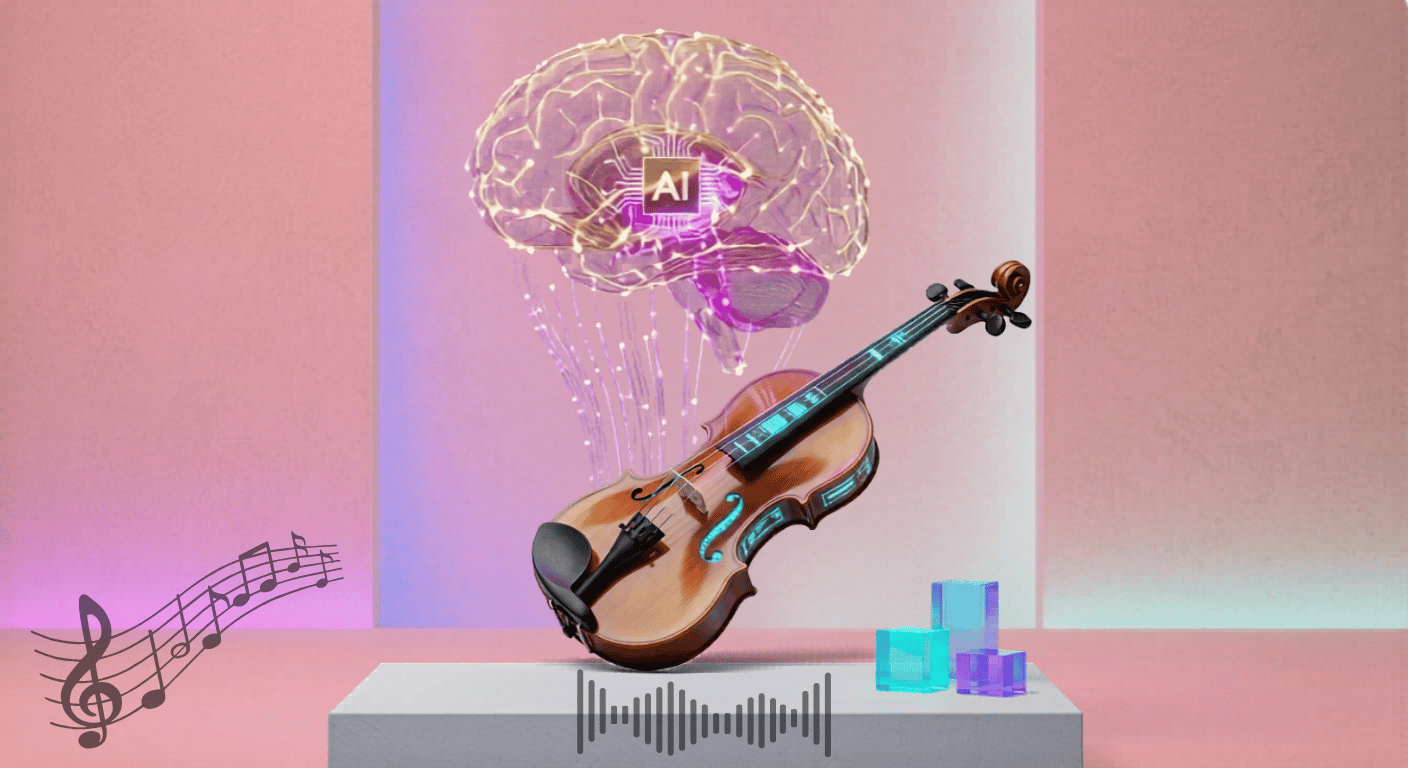
Artificial Intelligence (AI) is no longer a concept confined to science fiction; it is actively reshaping the landscape of modern music technology. While some traditionalists view AI with skepticism, fearing it might dilute human artistry, forward-thinking creators see it as an evolutionary milestone. The true magic happens at the intersection of human emotion and computational power—where technology becomes an extension of the artist’s mind rather than a replacement for it.
AI as a Co-Creator in Composition
AI-driven tools like AIVA and Amper Music are redefining the boundaries of composition by generating intricate melody loops and complex chord progressions in seconds. For contemporary composers and students, these systems offer a rich repository of ideas to overcome the dreaded “writer’s block.” Instead of replacing the artist, AI acts as a collaborative partner, handling structural patterns while leaving the final emotional nuances and creative direction entirely in human hands.
Smart Production and Audio Engineering
Beyond composition, AI is fundamentally revolutionizing audio engineering through intelligent mixing and mastering platforms. Advanced software can now analyze a raw track’s frequency spectrum, dynamically balance levels, and isolate or repair noisy audio within minutes. This shift allows producers and audio engineers to bypass tedious technical hurdles and focus on the artistic, creative elements of a mix, effectively democratizing high-quality studio production.
The Musicologist’s Perspective: History Meets Future
From a musicological standpoint, machine learning algorithms allow researchers to track patterns in music evolution and cultural anthropology at an unprecedented scale. By analyzing centuries of traditional and classical repertoires, AI can identify shifts in tonal structures and instrumentation over time. Furthermore, this data is breaking new ground in music therapy, where AI can dynamically generate customized, real-time therapeutic soundscapes tailored to an individual’s psychological and physiological needs.
Conclusion: The Harmony of Human and Machine
Ultimately, AI cannot replicate the genuine human soul, cultural context, or deep emotional experiences that fuel true artistic expression. The tool is only as powerful as the mind wielding it. The future of the industry belongs not to machines alone, but to the next generation of musicologists, tech-driven creators, and artists who expertly harmonize human intuition with artificial intelligence.